 |
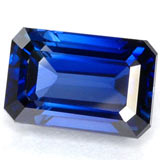
While the precious stones are deservedly famous, the conventional distinction between precious and semi-precious gems is laden with myth and misconceptions. Lets try to sort out some of the myths from the reality.
One common misconception is that the distinction between precious and semi-precious gemstones is traditional, going back many centuries. In fact it is a recent innovation, dating only to the nineteenth century. The first use of semiprecious to mean "of less commercial value than a precious stone" can be traced back only to 1858.
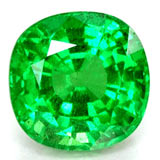 |
Of all the precious stones, diamond is the most subject to myth. But it is interesting that the myths are of modern rather than ancient origin. Historically, colored gemstones such as ruby and sapphire were more highly valued than diamond, mainly because diamond was not particularly rare. But the twentieth century saw a major change. The first thing that happened is that very large finds in South Africa created an even more abundant supply of gem quality diamond. At the same time, the perceived value of diamond has risen to the point where it's fair to say that diamond is at the top of the list of the precious stones in the mind of the buying public. What happened? Aren't precious gems valued especially for their rarity?
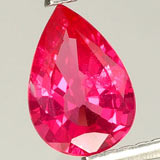 |
The De Beers consortium also mounted a concerted decades-long advertising campaign to associate diamonds with love, courtship and marriage, under the now familiar slogan "Diamonds are Forever." The diamond engagement ring, once unknown in most parts of the world (including Europe), is now considered an essential part of the ritual of marriage. It is hard to avoid the conclusion that diamond's special position as a precious stone is due largely to monopoly economics and social engineering.
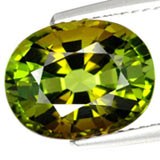 |
These days a number of rare "semi-precious" stones such as alexandrite, demantoid garnet, tsavorite garnet and tanzanite can just as expensive as ruby and sapphire. Very fine tourmaline, spinel and aquamarine in larger sizes also command very high prices in the market.It is fair to say that we have now reached the point where the distinction between precious and semi-precious gemstones has become meaningless. The US Federal Trade Commission periodically considers banning the use of the terms altogether to reduce consumer confusion. The American Gem Trade Association (AGTA) has already added the following language to their Code of Ethics: "Members should avoid the use of the term 'semi-precious' in describing gemstones."

No comments:
Post a Comment